
In today’s digital age, the importance of data protection has never been more critical. With the rapid expansion of the internet and Dpo as a service, organizations now handle enormous amounts of personal and sensitive data, making data security and privacy essential concerns. The role of a Data Protection Officer (DPO) has emerged as a cornerstone in ensuring compliance with data protection laws and safeguarding the privacy of individuals. This article explores what a DPO does, their responsibilities, and why the role is so crucial in modern business environments.
What is a Data Protection Officer (DPO)?
A Data Protection Officer is an independent expert responsible for overseeing an organization’s data protection strategy and ensuring compliance with relevant regulations, such as the General Data Protection Regulation (GDPR) in the European Union or other data privacy laws around the world. The DPO acts as a bridge between the organization, regulatory authorities, and individuals whose data is being processed, ensuring that data protection standards are upheld.
While not all companies are legally required to appoint a DPO, the role becomes mandatory under specific circumstances, such as when a company processes large-scale personal data or sensitive information, or operates in sectors that require regular monitoring of individuals.
Core Responsibilities of a DPO
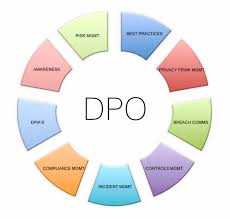
The role of a Data Protection Officer encompasses a broad range of responsibilities, which revolve around ensuring that an organization adheres to data protection regulations. Key duties include:
- Monitoring Compliance: The DPO is tasked with ensuring the organization complies with data protection laws, including GDPR, HIPAA, or national privacy laws. They must continuously monitor and assess the company’s data protection practices, policies, and security measures.
- Training and Awareness: A DPO is responsible for educating and training staff about data protection principles. This includes running workshops, raising awareness about privacy risks, and providing guidance on data handling best practices.
- Conducting Data Protection Impact Assessments (DPIA): For projects that involve the processing of personal data, the DPO evaluates potential risks and ensures that necessary measures are in place to mitigate those risks. DPIAs are critical in identifying vulnerabilities before data breaches occur.
- Advising on Data Protection by Design and by Default: One of the fundamental principles of GDPR is ensuring that data protection measures are integrated into the design of business processes and systems from the outset. The DPO guides the organization on how to embed these principles into operations, ensuring data security at every stage.
- Liaising with Supervisory Authorities: In case of data breaches or when specific data processing activities are scrutinized, the DPO acts as a point of contact with data protection supervisory authorities. They provide reports, documentation, and ensure transparency during investigations.
- Handling Data Subject Requests: Under data protection laws, individuals have rights concerning their personal data, such as the right to access, rectify, or delete their information. The DPO ensures that these requests are handled appropriately and within legal timeframes.
- Ensuring Data Security: Although the DPO may not directly implement data security measures, they are responsible for ensuring that the organization takes appropriate actions to safeguard data from breaches, unauthorized access, or misuse.
- Internal Auditing and Reporting: The DPO frequently audits internal processes and systems to identify areas of improvement or potential risks in how data is handled. They then provide recommendations to improve the company’s data protection framework.
Key Skills and Qualifications of a DPO
To fulfill the role effectively, a DPO needs to possess a combination of legal, technical, and organizational skills. Some of the essential qualifications and skills include:
- Expert Knowledge of Data Protection Laws: A deep understanding of relevant data protection regulations such as GDPR, CCPA, HIPAA, and others is essential. The DPO must stay up-to-date with legal changes and evolving privacy standards.
- Strong Communication Skills: As the DPO liaises with various departments within the organization, as well as with external regulators and stakeholders, excellent communication skills are critical.
- Technical Acumen: While the DPO may not be directly responsible for implementing security systems, they need to understand technical aspects of data protection to guide teams on issues like encryption, anonymization, and data storage best practices.
- Risk Management: Identifying and managing risks associated with data processing is a fundamental aspect of the DPO’s role. This requires both strategic thinking and a proactive approach to data privacy.
- Problem-Solving Skills: Data protection often involves complex situations requiring critical thinking to navigate regulatory requirements, business operations, and individual privacy concerns.
The Importance of a DPO in Modern Organizations
In an era where data breaches, cyberattacks, and privacy concerns dominate headlines, the role of a DPO is indispensable. Not only does the DPO help organizations avoid hefty fines associated with non-compliance (such as under GDPR, where penalties can reach up to 4% of a company’s global revenue), but they also safeguard an organization’s reputation. Data breaches can lead to significant financial and reputational damage, causing loss of customer trust, brand erosion, and legal consequences.
Moreover, a DPO ensures that the rights of individuals are protected, contributing to consumer confidence in how their data is being handled. This role helps build trust between companies and consumers, which is increasingly becoming a competitive advantage in the digital marketplace.
Conclusion
As data protection laws grow stricter and more countries implement privacy regulations, the role of the Data Protection Officer will continue to gain importance. Organizations, regardless of size or industry, must take data privacy seriously to remain compliant, protect their stakeholders, and avoid the consequences of data breaches. By appointing a qualified DPO, businesses can ensure that they meet legal obligations while fostering a culture of privacy and security that benefits both the organization and its customers.